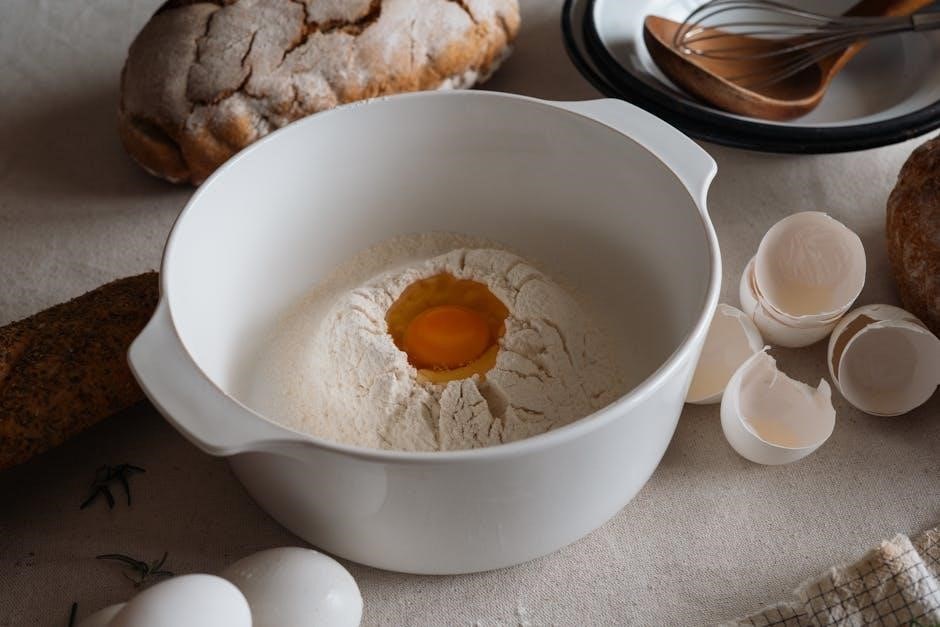
Oster Bread Maker Recipes PDF: A Comprehensive Guide
Discover a wealth of Oster bread maker recipes readily available in PDF format, encompassing everything from basic loaves to delicious doughs and quick breads.
Explore cookbooks like “The Beginner’s Oster Breadmaker Cookbook” and “Easy Baking with Your Oster Breadmaker”, alongside official Oster manuals offering detailed recipes.
Access manuals and recipe collections online, including the Oster 5838-EXPRESSBAKE-BREAD-MAKER manual, providing convenient access to baking inspiration.
Oster bread makers have become a kitchen staple for those seeking the convenience of homemade bread without the intensive labor. These appliances simplify the baking process, automating kneading, rising, and baking, resulting in consistently delicious results. The appeal lies in their user-friendliness, making fresh bread accessible even to novice bakers.
Numerous resources, often available as PDF downloads, cater specifically to Oster bread maker owners. These include official manuals brimming with recipes, and dedicated cookbooks like “The Beginner’s Oster Breadmaker Cookbook” by Thomas DeVries, offering 300 recipes. “Easy Baking with Your Oster Breadmaker: 95 Foolproof Recipes” by The Flaming Hearth Naeg provides another excellent source of inspiration.
The availability of PDF recipe collections allows for easy storage and access, enabling bakers to explore a wide range of bread types, from classic white and whole wheat to sweet breads, pizza doughs, and even gluten-free options. Oster’s own manuals, like the 5838-EXPRESSBAKE model, also contain valuable recipes and guidance.
Understanding Your Oster Bread Maker Model
Each Oster bread maker model possesses unique features and settings, impacting recipe outcomes. Familiarizing yourself with your specific model’s manual is crucial for optimal baking. PDF versions of these manuals are readily available online, often directly from Oster’s website or through resources like ManualsLib.
Key considerations include loaf size capacity (typically 1.5lb or 2lb), available baking cycles (basic, whole wheat, rapid bake, dough only), and crust control settings. Recipes are often tailored to specific models, so referencing the correct manual ensures accurate ingredient proportions and cycle selections.
PDF recipe collections, such as those found in “The Beginner’s Oster Breadmaker Cookbook”, frequently indicate compatibility with various Oster models. However, always cross-reference with your machine’s manual. Understanding your model’s nuances allows for recipe adjustments, ensuring consistently perfect loaves, and maximizing the potential of your appliance.
Where to Find Oster Bread Maker Recipes in PDF Format
Numerous online resources offer Oster bread maker recipes in PDF format. Amazon hosts digital cookbooks like “The Beginner’s Oster Breadmaker Cookbook” and “Easy Baking with Your Oster Breadmaker”, available for immediate download. Oster’s official website often provides PDF manuals containing basic recipes for their various models.
ManualsLib is a valuable repository, hosting PDF versions of Oster bread maker user manuals, including recipe sections. A general web search for “Oster 2lb Express Bake Bread Maker Manual Recipes PDF” yields direct links to downloadable files. Online forums and baking communities frequently share PDF recipe collections amongst members.
Remember to verify the source’s credibility before downloading any PDF file. Prioritize official Oster resources or reputable cookbook publishers to ensure recipe accuracy and safety. These PDF resources unlock a world of baking possibilities for your Oster machine.
The Beginner’s Oster Breadmaker Cookbook: Overview
“The Beginner’s Oster Breadmaker Cookbook” by Thomas DeVries (ISBN: 9781801661768) is designed for those new to bread machine baking. It boasts 300 favorite recipes, aiming to make effortless, tasty bread accessible to everyone. The cookbook emphasizes easy-to-find ingredients and straightforward instructions, demystifying the baking process.
Readers can expect recipes spanning various dough types – from pizza and sweet cake doughs to classic bread doughs. The book promises to guide users through seamless baking adventures, eliminating common frustrations. It’s structured to build confidence, starting with simple recipes and gradually introducing more complex techniques.
This resource is particularly helpful for Oster bread maker owners seeking a comprehensive collection beyond the recipes included in their machine’s manual. It’s a practical guide for enjoying freshly baked bread with minimal effort and maximum flavor.
Easy Baking with Your Oster Breadmaker: 95 Foolproof Recipes ⎻ Details
“Easy Baking with Your Oster Breadmaker: 95 Foolproof Recipes” (ISBN: 9798858856344) by The Flaming Hearth Naeg focuses on simplifying the bread-making process using a bread machine. The core premise is that a bread maker eliminates many time-consuming and potentially stressful steps traditionally associated with baking.
This cookbook provides 95 tested recipes designed to deliver consistent results, even for novice bakers. It aims to reduce pressure and time constraints, making homemade bread a realistic option for busy individuals. The recipes likely cover a range of bread types, potentially including white, wheat, and specialty loaves.
The book’s “foolproof” designation suggests clear, concise instructions and reliable ingredient ratios. It’s a valuable resource for Oster bread maker owners wanting a curated collection of recipes specifically tailored for machine baking, offering convenience and delicious outcomes.
Decoding Oster Bread Maker Manuals & Recipe Sections
Oster bread maker manuals, often available as PDF downloads (like the 5838-EXPRESSBAKE model on ManualsLib), are crucial for understanding your machine’s specific functions and recipe adaptations. These manuals emphasize safety precautions before use, highlighting the importance of reading all instructions and warnings.
Recipe sections within manuals typically categorize recipes by bread type – white, whole wheat, dough, or quick bread. They detail ingredient order (vital for bread makers), cycle selection, and crust color options. Pay attention to liquid measurements, as these significantly impact dough consistency.
Understanding cycle names (e.g., “Rapid Bake,” “Dough”) is key. Manuals often include troubleshooting tips for common issues. PDF versions allow for easy searching of specific ingredients or techniques, maximizing their utility for successful baking experiences.
Basic Bread Recipes for Oster Bread Makers
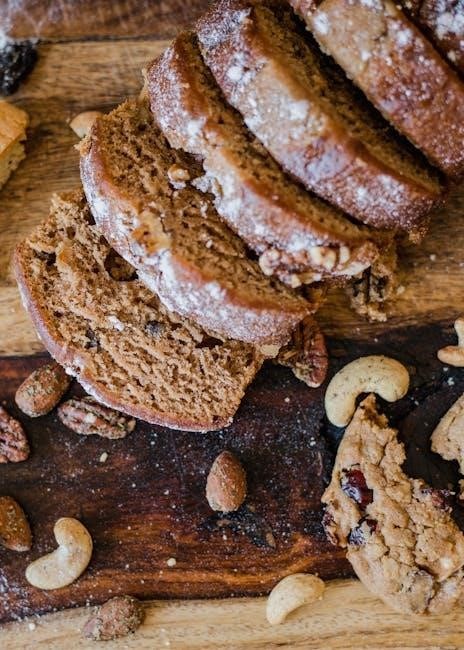
Explore fundamental recipes like classic white, whole wheat, and sweet white bread, easily found in Oster manuals and PDF cookbooks for beginners.
Discover rapid bake options for quick loaves, streamlining the baking process with your Oster machine and PDF recipe guides.
Classic White Bread Recipe
Embark on a journey to create the quintessential loaf with this classic white bread recipe, readily available in numerous Oster bread maker PDF resources and manuals. This recipe, a cornerstone of many Oster cookbooks like “The Beginner’s Oster Breadmaker Cookbook”, provides a foundation for mastering your machine.
Typically, you’ll need 1 ¼ cups of warm water, 3 ½ cups of bread flour, 2 tablespoons of sugar, 1 ½ teaspoons of salt, and 2 ¼ teaspoons of active dry yeast. Combine these ingredients directly into your Oster bread maker pan, ensuring the yeast doesn’t come into direct contact with the water initially. Select the ‘Basic’ or ‘White Bread’ cycle on your machine.
For optimal results, consult your Oster model’s manual, as cycle times and settings may vary. Many PDF guides emphasize the importance of ingredient order for proper kneading and rising. Enjoy a perfectly baked, fluffy loaf of classic white bread, a testament to the simplicity and convenience of Oster bread making!
Whole Wheat Bread Recipe
Discover the wholesome goodness of homemade whole wheat bread with recipes easily found in Oster bread maker PDF manuals and cookbooks. This recipe, often featured in resources like “Easy Baking with Your Oster Breadmaker”, offers a nutritious and flavorful alternative to white bread.
Generally, you’ll require 1 ¼ cups of warm water, 2 ½ cups of whole wheat flour, 1 cup of bread flour (for lighter texture), 2 tablespoons of honey or molasses, 1 ½ teaspoons of salt, and 2 ¼ teaspoons of active dry yeast. Add ingredients to your Oster bread maker pan in the order recommended by your machine’s manual – typically liquids first, then dry ingredients.
Select the ‘Whole Wheat’ cycle, or a similar setting, on your Oster bread maker. Refer to PDF guides for specific timing adjustments based on your model. Bake to perfection and savor a hearty, delicious loaf of whole wheat bread, a testament to healthy baking!
Sweet White Bread Recipe
Indulge in the delightful aroma and taste of sweet white bread, easily achievable with your Oster bread maker! Many PDF recipe collections, including “The Beginner’s Oster Breadmaker Cookbook”, feature variations of this classic treat. This recipe is perfect for toast, French toast, or simply enjoying a sweet slice.
Typically, you’ll need 1 ¼ cups of warm milk, ¼ cup of sugar, ¼ cup of melted butter, 1 teaspoon of salt, 3 cups of bread flour, and 2 ¼ teaspoons of active dry yeast. Some recipes suggest adding a touch of vanilla extract for enhanced flavor. Ensure ingredients are added to the bread maker pan in the correct order, as specified in your machine’s manual.

Choose the ‘Sweet’ or ‘White’ cycle on your Oster machine. Consult PDF manuals for precise cycle times. Enjoy a wonderfully soft and sweet loaf, a perfect homemade indulgence!
Rapid Bake Bread Recipes
Need bread in a hurry? Oster bread makers excel at rapid baking! Numerous PDF recipe resources, including the Oster 5838-EXPRESSBAKE manual, showcase recipes designed for speed. These recipes utilize a faster cycle, delivering a fresh loaf in significantly less time than traditional methods.
Typically, rapid bake recipes involve slightly increasing the yeast amount – around 2 ½ teaspoons for a standard loaf – to accelerate the rising process. Ingredients remain largely consistent with standard white bread: flour, water, salt, sugar, and oil. Always refer to your machine’s PDF manual for specific ingredient quantities.
Select the ‘Rapid’ or ‘Express Bake’ cycle on your Oster machine. Remember to check for doneness using a toothpick before removing the loaf. Enjoy freshly baked bread in under an hour – a perfect solution for busy schedules!

Beyond Basic Bread: Expanding Your Repertoire
Unlock diverse baking possibilities with Oster bread maker PDF recipes, venturing beyond loaves into pizzas, rolls, muffins, and even gluten-free creations!
Discover cookbooks and manuals offering creative dough recipes and delicious quick bread options for expanded culinary adventures.
Dough Recipes for Pizza and Rolls
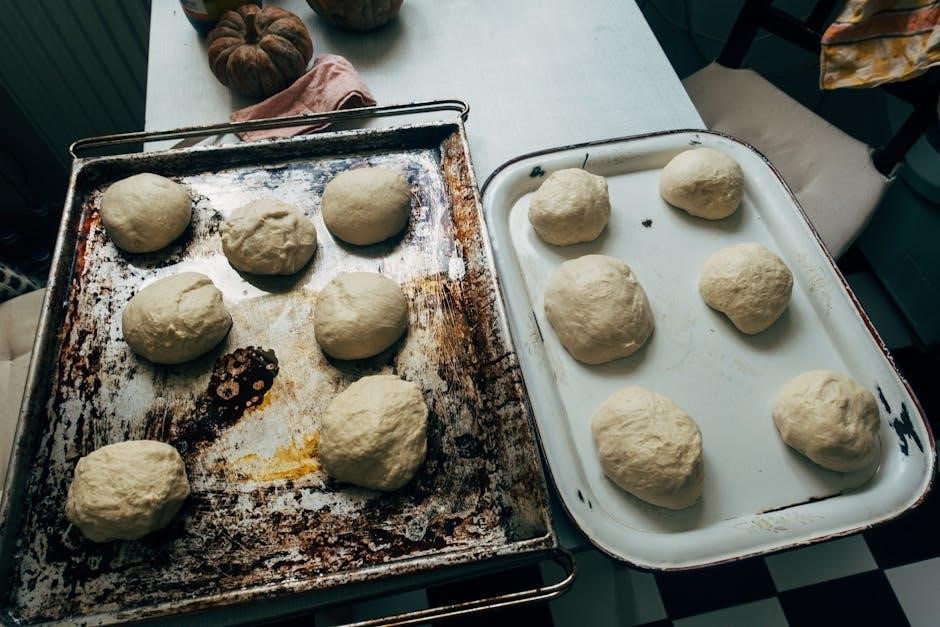
Elevate your homemade meals with perfectly crafted doughs, easily prepared using your Oster bread maker and readily available PDF recipes! Many resources, including “The Beginner’s Oster Breadmaker Cookbook”, showcase versatile dough recipes ideal for both pizza and a variety of rolls.
Explore recipes specifically designed for pizza dough, yielding a delightfully chewy crust, or opt for soft, fluffy roll doughs perfect for dinner or sweet treats. Oster manuals often include dedicated dough instructions and variations for shaping, offering guidance for achieving professional results.
Utilize the dough cycle on your Oster machine to effortlessly knead and rise the dough, freeing you to focus on toppings and preparations. PDF resources provide precise ingredient measurements and cycle recommendations, ensuring consistent and successful outcomes. From classic Italian pizza to cinnamon rolls, the possibilities are endless!
Quick Bread Recipes (Muffins, Banana Bread)
Discover the convenience of quick breads, effortlessly baked in your Oster bread maker using readily available PDF recipes! Beyond traditional loaves, your machine excels at creating delightful muffins, banana bread, and other batter-based treats.

Explore cookbooks like “Easy Baking with Your Oster Breadmaker: 95 Foolproof Recipes” for a diverse selection of quick bread options. PDF resources often provide adaptations of classic recipes specifically tailored for bread machine use, simplifying the process.
Utilize the appropriate cycle settings on your Oster machine – often a “quick bread” or “cake” cycle – to ensure even baking and a perfect texture. Benefit from the machine’s consistent mixing, eliminating the need for manual stirring. Enjoy warm, freshly baked muffins or banana bread with minimal effort!
Gluten-Free Bread Recipes for Oster Machines
Unlock a world of gluten-free baking with your Oster bread maker! Numerous PDF resources offer specialized recipes designed for those with dietary restrictions, ensuring delicious and satisfying results.
Search for PDF cookbooks and online collections specifically focused on gluten-free bread machine recipes. These often include unique flour blends and techniques to achieve optimal texture and rise, compensating for the absence of gluten.
Experiment with gluten-free flour mixes, such as rice flour, tapioca starch, and potato starch, following PDF recipe guidelines for precise measurements. Utilize the appropriate cycle settings on your Oster machine, and consider adding a binding agent like xanthan gum for improved structure. Enjoy homemade, gluten-free bread with ease!
Troubleshooting & Tips
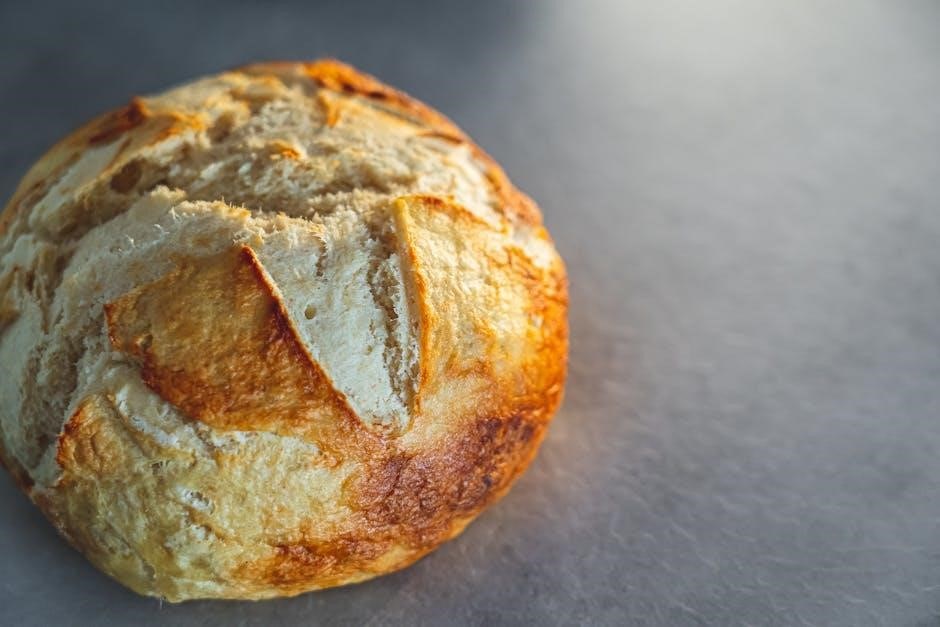
Consult PDF manuals for solutions to common issues, like dough consistency or rising problems. Review safety precautions within Oster PDF guides for optimal use.
Find ingredient adjustments and cycle explanations in PDF resources, ensuring successful baking and resolving potential recipe challenges.
Common Bread Maker Problems & Solutions

Encountering issues with your Oster bread maker? Many solutions are detailed within the PDF manuals readily available online. A frequent problem is a loaf collapsing – often caused by excessive liquid or too much yeast. Refer to your recipe’s PDF for precise measurements and yeast activation instructions.
Another common issue is a dense, heavy loaf. This can stem from using old or improperly stored yeast, or insufficient kneading. Check the expiration date on your yeast and ensure the dough cycle completes fully, as outlined in the PDF guide. Sometimes, the paddle may become stuck; carefully remove it after the baking cycle, referencing the manual’s PDF diagrams.
If your bread maker displays an error code, the PDF manual provides a comprehensive list of codes and their corresponding solutions. Always prioritize safety; unplug the machine before attempting any repairs and consult the PDF safety precautions.
Ingredient Considerations for Oster Bread Makers
Successful bread making with your Oster relies on ingredient quality and precise measurements, often detailed in PDF recipe guides. Flour type significantly impacts results; bread flour, with its higher protein content, is generally recommended for structure. PDF recipes will specify the ideal flour type.
Yeast is crucial – use fresh, active yeast and follow the activation instructions in your PDF recipe. Liquid temperature is also vital; too hot can kill the yeast, while too cold hinders activation. Refer to the PDF for optimal temperatures.
Sugar and fat contribute to flavor and texture. PDF guides often offer substitutions, but be mindful of how they affect the final product. Always measure ingredients accurately, using measuring cups and spoons as indicated in the PDF instructions, for consistent results.
Adjusting Recipes for Different Oster Models
Oster bread maker models vary in capacity and features, necessitating recipe adjustments. PDF manuals often include charts for converting recipes between 1.5lb and 2lb loaf sizes. Pay close attention to liquid ratios, as larger loaves require slightly more liquid.
Models with rapid bake cycles may need reduced yeast amounts to prevent overflow, a detail often found in PDF recipe notes. Consider altitude adjustments; higher altitudes require less yeast and potentially more liquid, information sometimes included in comprehensive PDF guides.
If your PDF recipe doesn’t specify adjustments for your model, start with minor modifications and observe the dough’s consistency. Refer to your Oster’s manual for specific guidance and always prioritize safety precautions detailed in the PDF safety sections.
Understanding Dough Cycles and Baking Cycles
Oster bread maker PDF manuals detail distinct dough and bake cycles. Dough cycles knead and rise the dough, stopping before baking – ideal for homemade pizza or rolls. PDF recipes will specify if a dough cycle is sufficient, or if a full bake cycle is required.
Bake cycles encompass kneading, rising, and baking. PDF guides often explain crust color options (light, medium, dark) available during the bake cycle. Rapid bake cycles shorten the overall process, but may yield a slightly different texture, as noted in some PDF recipe variations.
Understanding these cycles, as outlined in your Oster’s PDF manual, is crucial for successful baking. Always refer to the PDF for cycle times and recommended settings for specific recipes, ensuring optimal results and preventing under or over-baking.
Advanced Techniques
Explore PDF resources for Oster bread makers to master sourdough, fruit/nut additions, and flour ratio adjustments for customized baking experiences.
Unlock complex flavors and textures by referencing detailed PDF guides and experimenting with hydration levels for superior bread.
Adding Fruits, Nuts, and Seeds
Enhance your Oster bread maker creations with delightful additions like fruits, nuts, and seeds! Many PDF recipe resources detail optimal timing for incorporating these ingredients to prevent them from becoming crushed or overly mixed during the kneading cycle.
Generally, it’s recommended to add these ingredients during the second kneading cycle, signaled by the bread maker’s beep. This allows for gentle distribution without compromising their texture. PDF cookbooks often provide specific quantities for various additions – for example, 1/2 to 1 cup of dried fruit or 1/4 to 1/2 cup of nuts per loaf.
Consider chopping larger fruits and nuts into smaller pieces for even distribution. PDF manuals may also suggest lightly coating fruits or nuts with flour to prevent them from sinking to the bottom of the loaf. Experiment with different combinations – cranberries and walnuts, raisins and pecans, or sunflower and pumpkin seeds – to discover your favorites! Refer to Oster recipe PDFs for inspiration and precise instructions tailored to your model.
Creating Sourdough Bread in Your Oster
Embark on the rewarding journey of crafting sourdough bread using your Oster bread maker! While traditionally a hands-on process, PDF resources demonstrate how to adapt sourdough baking for convenient machine assistance. Many Oster bread maker PDF recipe guides offer specialized sourdough recipes, acknowledging the unique hydration and fermentation needs.
Typically, you’ll begin by preparing an active sourdough starter. PDF instructions will guide you through the starter’s maintenance and feeding schedule. The bread maker is then utilized for the bulk fermentation and kneading stages, reducing manual effort. Some recipes utilize a combination of machine kneading and hand shaping for optimal results.
Explore PDFs for guidance on adjusting liquid levels, as sourdough doughs are often wetter. Refer to Oster model-specific PDFs for cycle recommendations – a dough cycle followed by a bake cycle is common. Experiment and enjoy the tangy, flavorful reward of homemade sourdough!
Customizing Recipes: Flour Ratios and Hydration
Unlock the potential for personalized bread making by mastering flour ratios and hydration levels within your Oster bread maker. PDF recipe resources often provide a base recipe, encouraging experimentation. Understanding the impact of different flour types – bread flour, whole wheat, rye – is key, as PDF guides detail.
Adjusting flour ratios alters the bread’s texture and flavor. Higher protein flours yield chewier loaves. Hydration, or the water-to-flour ratio, significantly impacts dough consistency. PDFs emphasize that Oster bread makers may require slight hydration adjustments due to machine variations.
Consult PDFs for guidance on increasing or decreasing hydration incrementally. Too little water results in a dry crumb; too much, a sticky dough. Refer to model-specific PDFs for optimal settings. Experiment cautiously, documenting changes for repeatable success!