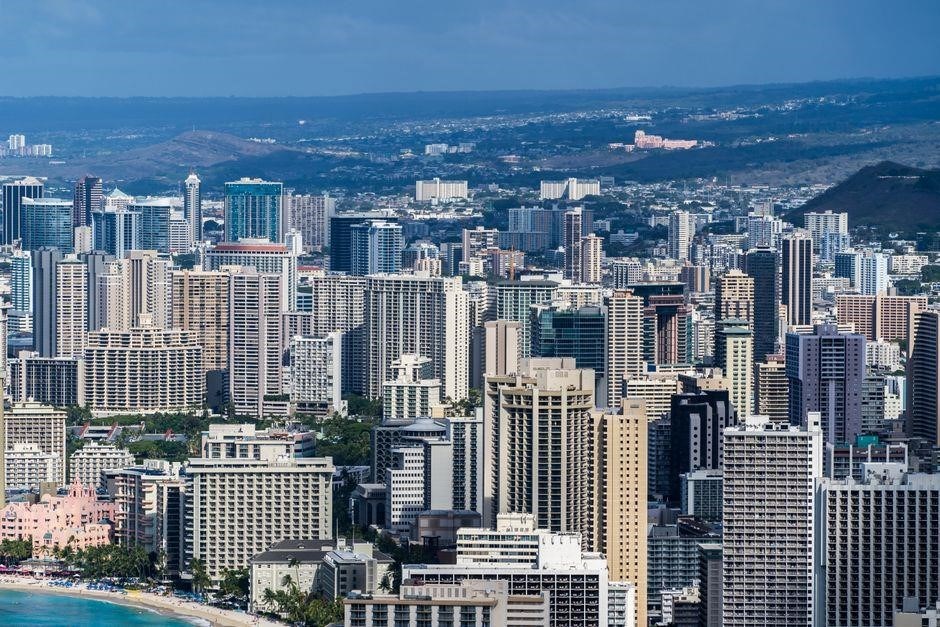
Overview of Hawaii Condominium Market
Current data shows a steady rise in Honolulu condo sales‚ driven by tourist demand and local investment․ Resources such as CAI’s guides‚ Marty Sanders’ expertise in Waikiki‚ and HIcondos․com’s detailed maps help buyers navigate market trends and select prime locations․ New projects increase unit availability
Market Trends and Growth
Recent market data from the Hawaii State Housing Finance and Development Authority shows condominium transactions in Honolulu have risen 12% year‑over‑year‚ driven by domestic and foreign buyers․ The growth centers on Waikiki‚ Downtown‚ and Diamond Head‚ where new projects offer amenities for short‑term rentals and long‑term residents․ According to the Community Associations Institute (CAI)‚ the average price per square foot for a 1‑bedroom unit in Waikiki now exceeds $1‚200‚ while Downtown units average around $950․ This reflects a premium trend in prime locations due to limited land and oceanfront appeal․ The CAI’s annual HOA survey reports a 9% increase in monthly association fees‚ indicating higher costs for shared infrastructure such as elevators‚ security systems‚ and storm‑water management․ Buyers must plan financially‚ as ownership costs extend beyond purchase price․ Marty Sanders‚ a Waikiki condo specialist‚ notes a shift toward green‚ energy‑efficient units featuring solar panels‚ rainwater harvesting‚ and smart‑home tech․ HIcondos․com offers real‑time listings that showcase these attributes‚ letting prospective owners compare floor plans‚ unit sizes‚ and amenities across complexes․ The market remains tight but poised for expansion as tourism recovers and the state’s economy grows․ Prospective buyers should also consider the impact of rising interest rates and the potential for future zoning changes that could affect unit availability․ Additionally‚ many developers are now offering flexible lease options to attract both long‑term residents and short‑term renters and investors in․
Legal Framework for Condos in Hawaii
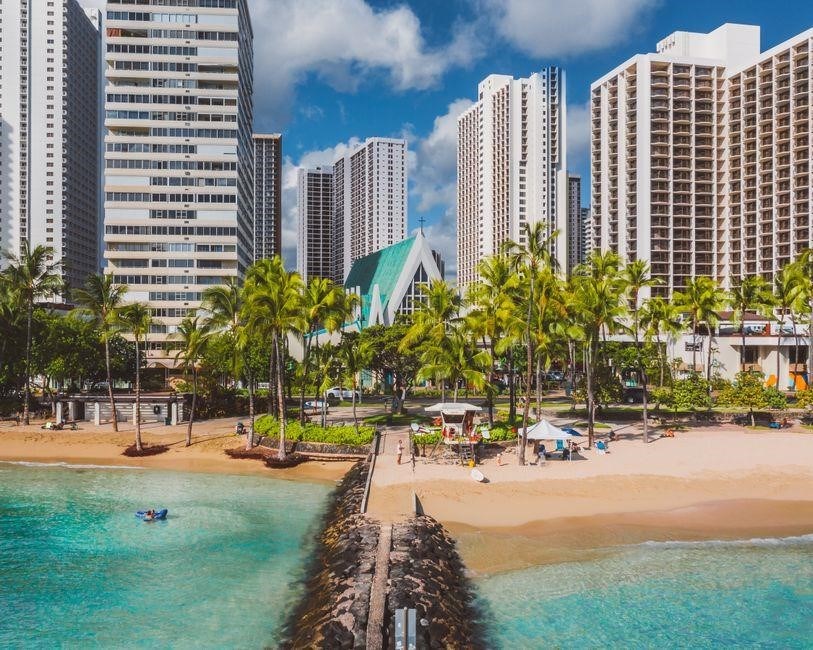
Hawaii’s Condominium Act‚ enforced by the Department of Commerce‚ requires a master deed‚ bylaws‚ and annual financial reports․ The CAI offers guidance on compliance‚ while Marty Sanders highlights local zoning nuances․ HIcondos․com listsprojects and their legal status
State Laws and Regulations
Hawaii’s Condominium Act of 2006 establishes the legal framework for all condominium projects on the islands․ The Act mandates that developers file a master deed‚ bylaws‚ and a financial statement with the Department of Commerce and Consumer Affairs․ It also requires the creation of a condominium association‚ a governing board‚ and an annual audit․ The Act provides detailed rules on common‑area maintenance‚ reserve funds‚ and the right of first refusal for unit owners․ In addition‚ the Hawaii Housing Finance and Development Authority (HHFDA) offers guidance on compliance and enforces the State’s Fair Housing Act within condo communities․ The CAI publishes best‑practice resources that help board members navigate these regulations‚ while Marty Sanders highlights specific zoning variances that may affect projects in Waikiki‚ Downtown‚ and Diamond Head․ HIcondos․com aggregates listings that include compliance status‚ allowing buyers to verify that each property meets all statutory requirements before purchase․ Together‚ these legal tools ensure transparency‚ protect owners’ interests‚ and promote responsible development across the state․ The Hawaii Condominium Association Act also requires that each unit owner contribute to a reserve fund that covers structural repairs‚ roof replacements‚ and major system upgrades‚ ensuring long‑term financial stability and safeguarding property values for all residents across the islands; The Act also requires any bylaw amendment to receive a two‑thirds majority vote from unit owners‚ ensuring democratic governance․
Choosing the Right Neighborhood
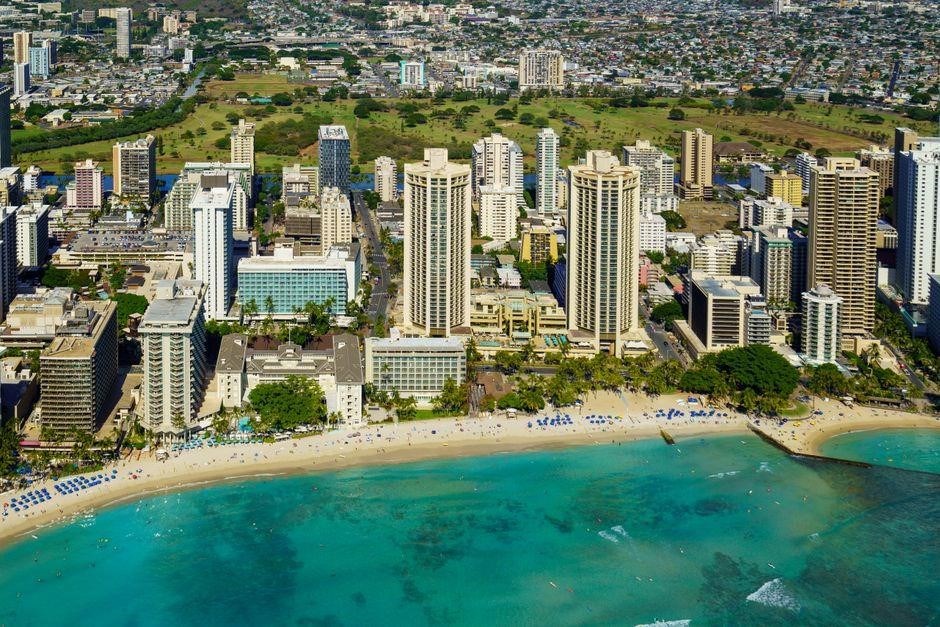
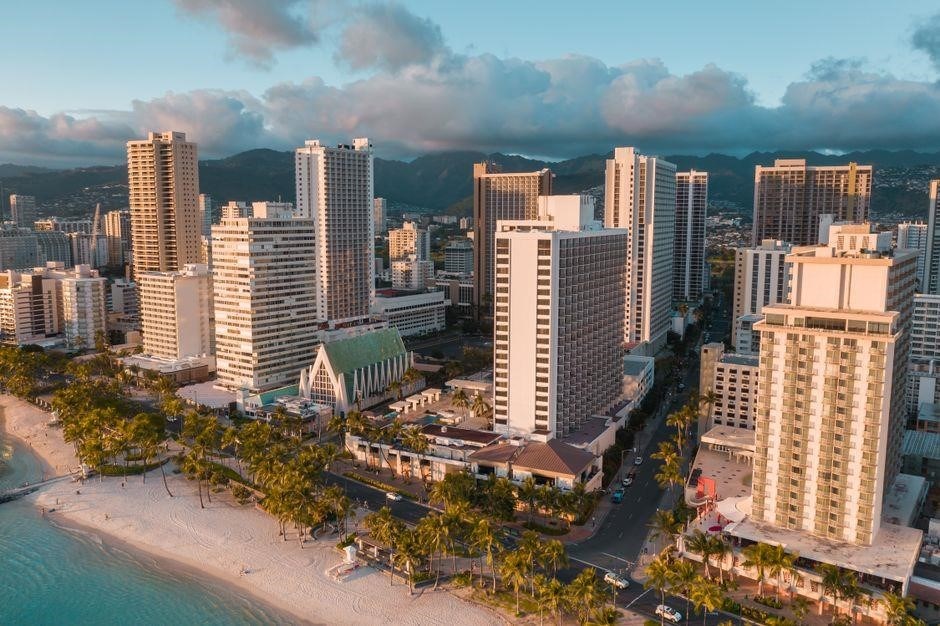
Waikiki‚ Downtown and Diamond Head offer distinct vibes․ Waikiki attracts tourists and high‑end buyers‚ Downtown offers urban convenience‚ while Diamond Head blends beach access with upscale living․ Use HIcondos․com maps CAI resources and local agents to match life budget․
Popular Regions: Waikiki‚ Downtown‚ Diamond Head
Waikiki remains the crown jewel of Honolulu’s condominium scene‚ offering a bustling beachfront lifestyle‚ world‑class dining‚ and a vibrant nightlife that attracts both short‑term renters and long‑term residents․ The area’s high density of luxury units‚ coupled with a steady influx of tourists‚ keeps resale values robust and rental yields attractive for investors․ The neighborhood’s recent revitalization projects have introduced mixed‑use developments that blend residential‚ retail‚ and office spaces‚ creating a dynamic community atmosphere․ Diamond Head‚ located on the eastern side of Oahu‚ offers a more relaxed yet upscale environment․ The iconic volcanic peak provides panoramic views and a sense of exclusivity‚ while the surrounding condos benefit from quieter streets and a strong sense of community․ Residents enjoy easy access to amenities‚ the reputation of the condominium association‚ and the potential for future appreciation․ Leveraging resources like the Community Associations Institute’s publications‚ local experts such as Marty Sanders‚ and detailed listings from HIcondos․com can help investors and homebuyers make informed decisions tailored to their lifestyle and financial goals․
Prospective buyers should also consider the impact of Hawaii’s unique climate‚ including humidity‚ air corrosion‚ and the potential for activity‚ which can affect building codes‚ maintenance schedules‚ and insurance premiums․ Engaging with local HOA boards and reviewing past meeting minutes can provide insight into community dynamics and long‑term planning tomorrow․

Financing and Mortgage Options
FHA loans offer low down‑payment‚ flexible credit‚ ideal for first‑time buyers․ Conventional loans provide competitive rates for those with strong credit․ The Hawaiian Home Ownership Program (HHOP) gives local residents access to long‑term financing with state‑backed rates․
FHA‚ Conventional‚ Hawaiian Home Ownership Program
When purchasing a Hawaii condominium‚ buyers have several financing pathways․ The Federal Housing Administration (FHA) program allows a 3․5% down‑payment and a flexible credit score requirement‚ making it attractive for first‑time buyers or those with limited reserves․ The conventional loans‚ offered by private lenders‚ typically require a 5–20% down‑payment and offer competitive interest rates‚ especially for borrowers with strong credit histories․ The Hawaiian Home Ownership Program (HHOP) is a state‑backed initiative that provides long‑term‚ fixed‑rate mortgages with a 30‑year term and a down‑payment as low as 5%․ HHOP is designed to promote homeownership among Hawaii residents‚ offering a unique blend of federal and state support․ All three options are supported by resources from the Community Associations Institute‚ which publishes guides on mortgage eligibility‚ HOA fee considerations‚ and local market trends․ Additionally‚ real‑estate specialists such as Marty Sanders and online portals like HIcondos․com provide up‑to‑date listings and financing calculators tailored to Honolulu’s condo market․ Prospective buyers should compare loan terms‚ closing costs‚ and HOA fee structures to determine the most cost‑effective solution for their financial situation and long‑term residency plans․ Financing decisions also hinge on HOA fee schedules‚ which can vary widely; a condo with a high HOA fee may offset lower mortgage payments‚ while a lower fee might mean higher maintenance costs․ Buyers should review the HOA’s financial statements and reserve funds before signing․ Consulting a mortgage broker can clarify which loan best aligns with goals and plans
Homeowners Association (HOA) Responsibilities
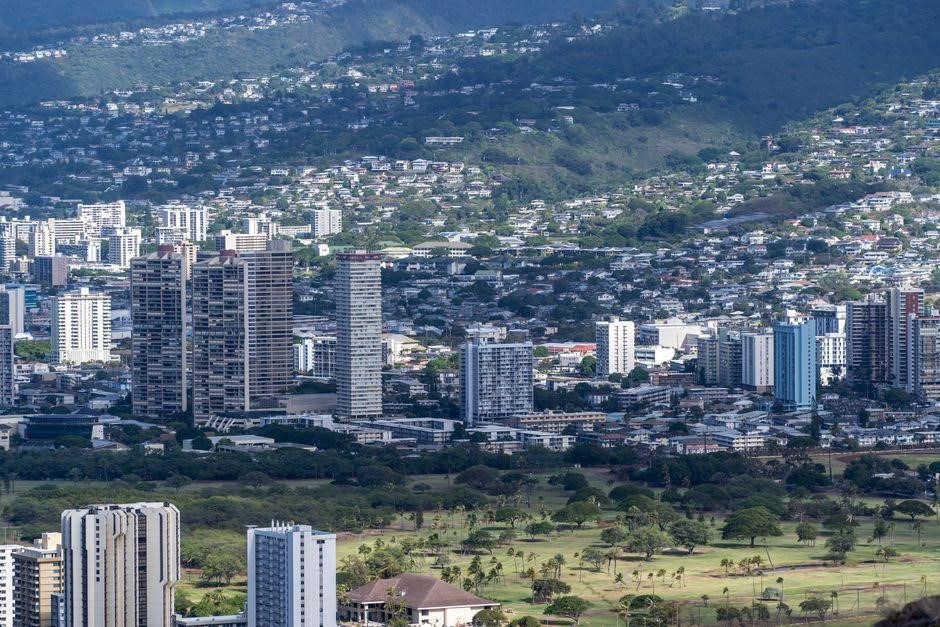
HOA governs building rules‚ collects monthly dues‚ and funds repairs․ Dispute resolution follows CAI guidelines‚ with mediation before litigation․ Marty Sanders highlights that clear bylaws reduce conflicts․ HIcondos․com lists fee ranges‚ helping buyers compare HOA costs before purchase ensuring transparency․ all

Governance‚ Fees‚ and Dispute Resolution
In Hawaii‚ the HOA’s governance structure is defined by the Condominium Act and the HOA’s own bylaws‚ which outline board composition‚ meeting procedures‚ and voting thresholds․ Typical boards consist of 5–7 members elected by unit owners‚ with a president‚ treasurer‚ and secretary; Board meetings are held quarterly‚ with minutes recorded and made available to all owners․ HOA fees cover common‑area maintenance‚ insurance‚ utilities‚ and reserve funds for major repairs․ On the Island of Oahu‚ average monthly fees range from $350 to $650‚ depending on the building’s amenities and age․ The Hawaii State Housing Finance and Development Corporation (HSHDC) provides guidance on fee structures to ensure they remain fair and transparent․ Dispute resolution follows a tiered approach: first‚ owners may file a complaint with the HOA board‚ which must respond within 30 days․ If unresolved‚ the dispute can be escalated to the Hawaii State Housing Finance and Development Corporation’s mediation program‚ which offers free or low‑cost mediation services․ Should mediation fail‚ owners may pursue arbitration under the HOA’s arbitration clause or file a claim in the Hawaii District Court; The Community Associations Institute (CAI) offers best‑practice resources‚ including sample dispute resolution policies and training modules for board members․ By adhering to these procedures‚ HOAs can maintain harmony‚ protect property values‚ and comply with state regulations while ensuring owners’ rights are respected․ Additionally‚ HOAs are required to conduct annual financial audits‚ which must be filed with the Hawaii Department of Commerce and Consumer Affairs․ Owners should review these audits to verify proper use of funds․ The HOA’s reserve study‚ updated every five years‚ projects future capital expenditures and informs fee adjustments․ Transparency in fee allocation is mandated by the Condominium Act‚ requiring that owners receive a detailed fee statement each year․ When disputes arise over fee increases‚ owners may request a review by the State Housing Finance and Development Corporation‚ which can conduct an independent assessment․ This multi‑layered oversight ensures that HOA governance remains accountable and that owners have recourse when disagreements occur․ Owners are encouraged to attend board meetings and submit written comments to foster collaborative decision‑making․
Property Management and Maintenance
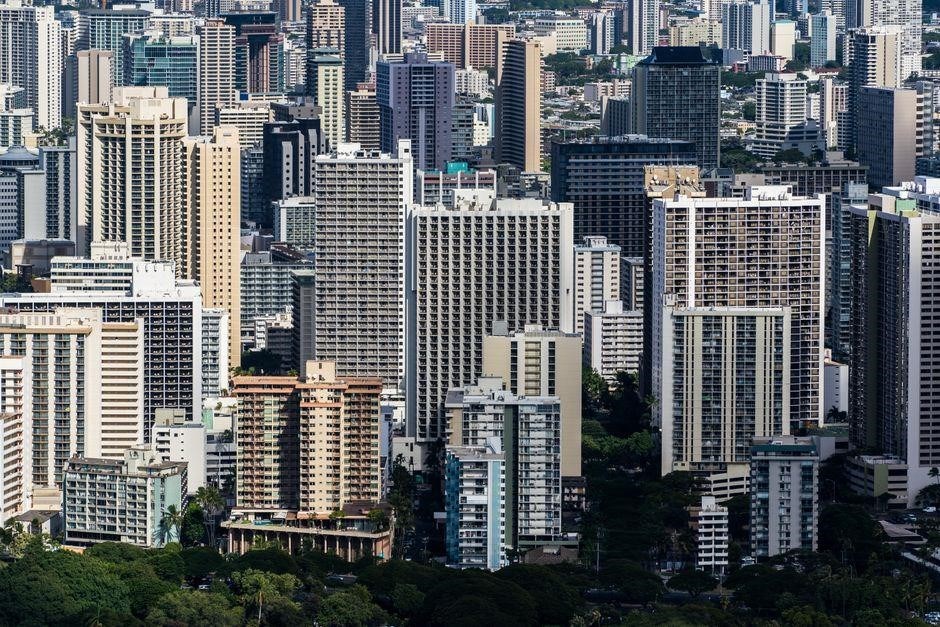
Effective management in Hawaii relies on certified contractors‚ regular inspections‚ and transparent budgeting․ CAI guides boards vendor selection‚ Marty Sanders best practices․ HIcondos․com lists top service providers for each district․ maintenance keeps units safe․

Contractor Selection and Inspection Schedules
Choosing reliable contractors in Hawaii’s condominium market requires a multi‑step vetting process․ First‚ board members should consult the Community Associations Institute (CAI) database for licensed professionals with proven experience in island‑specific projects․ Next‚ request detailed proposals that include scope‚ timelines‚ and cost breakdowns․ Verify each contractor’s insurance coverage‚ especially for flood and earthquake liability‚ which are critical in the state․ A third‑party audit of past work can uncover hidden defects or compliance gaps․ Once selected‚ establish a written contract that specifies performance standards‚ payment milestones‚ and a dispute resolution clause․
Inspection schedules must align with the HOA’s annual budget cycle․ Routine inspections—quarterly for mechanical systems‚ semi‑annual for structural elements‚ and annual for fire safety—ensure early detection of wear and prevent costly repairs․ Use a digital maintenance log‚ accessible to all board members‚ to track inspection dates‚ findings‚ and corrective actions․ Schedule major inspections during low‑tourist periods to minimize resident disruption․ Regular communication with residents about upcoming inspections fosters transparency and encourages timely reporting of issues․
Finally‚ incorporate a preventive maintenance plan that includes seasonal tasks such as roof sealing‚ HVAC servicing‚ and landscaping upkeep․ This proactive approach extends asset life‚ reduces insurance premiums‚ and maintains property value across the island’s competitive market․
Insurance Requirements for Hawaii Condos
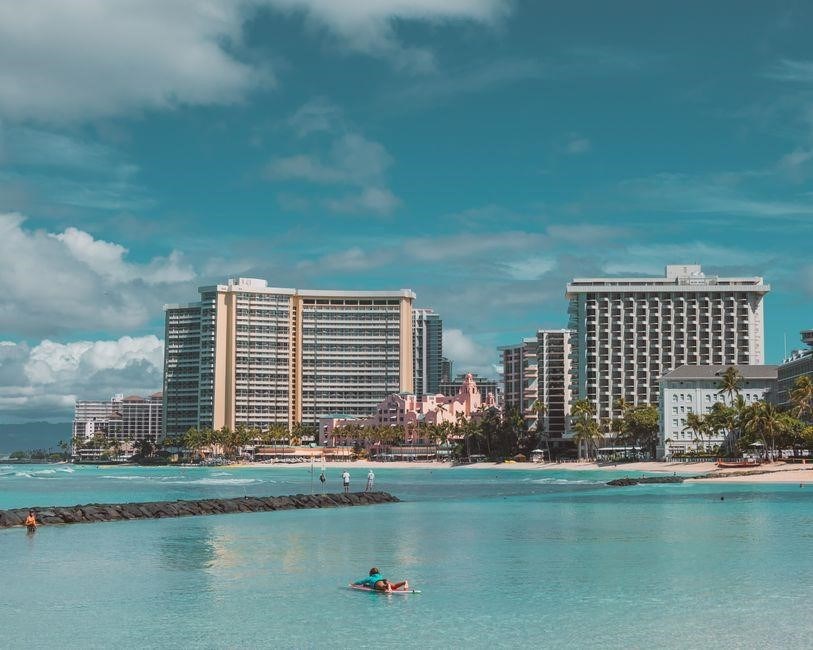
HOA insurance covers common areas; owners insure personal property and interior fixtures․ State law requires flood and earthquake coverage; windstorm insurance is advised․ Policies list all units‚ include liability limits‚ and meet CAI guidelines․ Compliance with state statutes ensures coverage for all residents․
HOA vs Individual Coverage‚ Natural Disaster Coverage
In Hawaii‚ the HOA’s master policy typically protects common areas‚ structural components‚ and shared amenities‚ while individual owners must secure coverage for personal property‚ interior finishes‚ and liability․ State statutes mandate that HOA policies include wind‚ hail‚ and earthquake perils; however‚ most HOA plans exclude flood damage‚ so owners must obtain separate flood insurance․ The Hawaii Department of Commerce and Consumer Affairs recommends that each unit owner carry a comprehensive condo insurance policy that covers interior walls‚ plumbing‚ electrical systems‚ and personal belongings․ This policy should also include a “hazard” rider for volcanic ash and tsunami risks‚ which are prevalent in the islands․ The CAI’s latest guidelines emphasize that owners verify the HOA’s limits and deductibles‚ ensuring they are not underinsured․ Additionally‚ the Hawaii State Housing Finance and Development Authority requires that borrowers maintain a minimum of 1․5 times the replacement cost for interior repairs․ Many local brokers‚ such as Marty Sanders of Signature Homes Island Style‚ advise buyers to purchase a “personal property” rider that covers like electronics and jewelry‚ and to opt for a “liability” endorsement for guest injuries․ Finally‚ the state’s mandatory “Natural Disaster” coverage includes windstorm‚ flood‚ and earthquake‚ but not volcanic activity; owners should add a volcanic‑ash rider if they live near active volcanoes․ By aligning HOA and individual policies‚ owners protect the building’s infrastructure and their private assets against Hawaii’s natural hazards․