
Ocean City, MD TV Guide: A Comprehensive Overview (as of 05/04/2026)
This guide, updated as of today’s date, 05/04/2026, details local Ocean City television stations and networks.
It includes owner information, call signs, and digital frequencies for channels like WMDT, WRDE, and WBOC.
Local Television Stations
Ocean City, Maryland, and the surrounding Delmarva Peninsula are served by a mix of locally owned and major network-affiliated television stations. WMDT-Television Channel 47 and WBOC-TV Channel 16 are key providers of local news, weather, and community programming. WRDE TV also serves the area, offering a diverse range of content. Viewers also receive strong signals from Philadelphia stations, including Channel 6 WPVI Tv and NBC 10, expanding viewing options.
Additionally, Wmgm-TV Ch 40-NBC broadcasts NBC programming to the region. WAAT-TV and Wmdt Tv Channel Forty Seven further contribute to the local television landscape. Ownership is divided between entities like Great Scott Broadcasting and Cumulus Broadcasting, influencing station programming and focus. Access to these stations ensures residents stay informed and entertained with a variety of choices, including ABC, CBS, FOX, and PBS options via channels like WMAR (ABC) and WCPB (PBS).
Station Listings & Call Signs
Here’s a detailed listing of Ocean City, MD, television stations and their respective call signs, crucial for accurate tuning and signal identification. WMDT-Television operates as Channel 47, while WBOC-TV broadcasts on Channel 16. WRDE TV is another key local station. Philadelphia stations accessible in Ocean City include WPVI Tv (Channel 6) and NBC 10.
Further stations serving the area are Wmgm-TV (Channel 40), WAAT-TV, and Wmdt Tv (Channel Forty Seven). These call signs are essential for verifying digital reception and troubleshooting signal issues. Beyond these primary channels, viewers can access public access (Channel 02), government access (Channel 03), and other specialized channels like the Real Estate Channel (Channel 08). Understanding these listings ensures optimal viewing and access to diverse programming options within the Ocean City region.
WMDT-Television Channel 47
WMDT-Television, Channel 47, serves as a primary source of local news, weather, and entertainment for Ocean City, MD, and the Delmarva Peninsula. Broadcasting as an ABC/NBC affiliate, WMDT delivers a blend of national programming and hyper-local coverage. Viewers can expect daily newscasts focusing on regional events, community stories, and in-depth weather reports crucial for coastal living.
Channel 47 also carries popular network shows, sports programming, and special events. Its digital signal ensures clear reception for those equipped with digital tuners. WMDT is owned by Great Scott Broadcasting, a key media group in the region. For specific program schedules and updates, viewers are encouraged to consult WMDT’s website or local listings. The station’s commitment to local content makes it a vital part of the Ocean City media landscape.

WRDE TV
WRDE TV is a locally focused television station serving the Ocean City, Maryland, and Salisbury, Maryland, market. As an independent station, WRDE provides a diverse programming lineup, including syndicated shows, local news, and community-oriented content. It aims to fill gaps in coverage not always addressed by larger network affiliates.
WRDE emphasizes local reporting, covering events and issues directly impacting residents of the Delmarva Peninsula. The station’s news team delivers updates on local government, schools, and community happenings. Viewers can find information on its website regarding specific broadcast schedules and local programming initiatives. Cumulus Broadcasting owns WRDE, contributing to its operational strength and local market presence. It’s a valuable resource for those seeking a dedicated local perspective on news and entertainment.
WBOC-TV Channel 16
WBOC-TV Channel 16 is a prominent CBS affiliate serving the Salisbury, Maryland, and Ocean City, Maryland, television market. It delivers a mix of national CBS programming, local news, and weather coverage. As a key station in the region, WBOC-TV provides comprehensive reporting on local events, politics, and community affairs.
The station’s commitment to local news is a cornerstone of its programming, with dedicated teams covering stories across the Delmarva Peninsula. Viewers rely on WBOC for accurate and timely information, particularly during severe weather events. Channel 16 also broadcasts syndicated entertainment shows and sports programming. Cumulus Broadcasting is the owner of WBOC-TV, ensuring continued investment in local broadcasting and community engagement. It remains a vital source of information and entertainment for Ocean City residents.
WMGm-TV Ch 40-NBC
WMGm-TV Channel 40 proudly serves as the local NBC affiliate for the Salisbury, Maryland, and Ocean City, Maryland, viewing area. Offering a blend of national NBC programming and hyper-local content, WMGm-TV is a trusted source for news, weather, and community information; The station’s news team focuses on delivering relevant stories impacting residents across the Delmarva Peninsula.
Beyond news, WMGm-TV broadcasts popular NBC shows, sports events, and syndicated programming, providing a diverse entertainment lineup. Viewers can expect comprehensive coverage of local events, school sports, and community initiatives. Great Scott Broadcasting owns WMGm-TV, demonstrating a commitment to maintaining a strong local presence and delivering quality broadcasting services to the Ocean City region. It’s a key station for those seeking both national and local perspectives.
Channel 6 WPVI Tv (Philadelphia)

Channel 6, WPVI-TV, the ABC affiliate broadcasting from Philadelphia, Pennsylvania, maintains significant viewership within the Ocean City, Maryland, market. Due to its signal strength and proximity, WPVI is often readily available via antenna and cable/satellite providers in the area. It provides an alternative to strictly local stations, offering a broader range of programming including national ABC news, entertainment, and sports.
WPVI is known for its strong local investigative reporting and comprehensive weather coverage, extending its reach beyond the Philadelphia metropolitan area. Many Ocean City residents rely on WPVI for breaking news and detailed forecasts. While not a locally-owned station, its accessibility makes it a frequent choice for television viewers. It’s a valuable addition to the Ocean City TV viewing options, complementing the local channels.
NBC 10 (Philadelphia)
NBC 10, WCAU, Philadelphia’s NBC affiliate, is another key television station accessible to viewers in Ocean City, Maryland. Similar to WPVI, its signal reaches a considerable distance, making it a popular choice for those seeking national NBC programming and local news coverage from the Philadelphia region. Residents often utilize NBC 10 alongside local stations for a diverse viewing experience.
WCAU provides a full spectrum of content, including NBC’s national news broadcasts, prime-time entertainment, and live sports events. Its local news team delivers reports relevant to the broader Mid-Atlantic area, sometimes including coverage impacting Ocean City. For Ocean City TV viewers, NBC 10 offers a valuable alternative, particularly for those interested in a wider perspective on regional events and national programming.
WAAT-TV
WAAT-TV is listed among the accessible television stations for Ocean City, Maryland viewers. While specific programming details are less readily available compared to major network affiliates, WAAT-TV contributes to the overall television landscape in the region. It’s important for residents to scan their digital television sets to confirm reception and channel placement, as availability can vary based on location and antenna setup.

Often, stations like WAAT-TV carry a mix of syndicated programming, religious content, or serve as a secondary channel for larger broadcasting groups. For Ocean City TV enthusiasts, exploring all available channels, including WAAT-TV, expands viewing options beyond the major networks. Checking local listings and utilizing a digital TV guide are recommended to discover the station’s current schedule and offerings. It’s part of the comprehensive local channel guide.
Wmdt Tv Channel Forty Seven
WMDT-TV Channel 47, serving the Salisbury/Ocean City, Maryland area, is a key local station providing news, weather, and entertainment programming. As of May 4th, 2026, WMDT broadcasts on digital frequency 47 and is an affiliate of both ABC and NBC, offering a diverse range of network and locally produced content. Residents rely on WMDT for crucial local news coverage, especially regarding weather conditions impacting the coastal region.
For Ocean City TV viewers, WMDT’s programming includes national network shows, local news broadcasts, and community-focused segments. Checking the station’s website or a comprehensive TV guide is recommended for specific program schedules. WMDT-TV is a vital component of the local broadcasting ecosystem, alongside other stations like WRDE and WBOC, ensuring residents have access to a variety of viewing choices.
Local Channel Guide Information
Accessing a current Ocean City, MD TV guide is essential for staying informed about local broadcasting options. As of May 4th, 2026, viewers have access to a range of channels, including local affiliates like WMDT (ABC/NBC 47), WRDE (various), and WBOC (CBS 16). Beyond these, Philadelphia stations such as WPVI (Channel 6) and NBC 10 are readily available, offering expanded programming choices.
Several resources provide detailed channel guide information. Online TV listings websites, cable and satellite provider guides, and the stations’ individual websites (like WMDT’s) offer comprehensive schedules. Remember to check for digital channel numbers, as the digital television transition has altered some traditional channel assignments. Staying updated ensures you don’t miss your favorite shows or important local news broadcasts in the Ocean City area.
Digital Television Transition & Coverage
The digital television transition significantly impacted how Ocean City, MD residents receive over-the-air broadcasts. While the initial transition occurred some time ago, understanding current coverage is vital. Many local stations, including WMDT, WRDE, and WBOC, now broadcast exclusively in digital formats, offering improved picture and sound quality.
However, reception can vary based on location and antenna type. Factors like distance from the transmission tower and potential obstructions (buildings, trees) influence signal strength. Viewers relying on antennas may need to rescan their TVs periodically to ensure they receive all available channels. Digital tuners are now standard, but older TVs might require a converter box. Checking station websites for coverage maps provides a clearer understanding of signal availability in specific Ocean City neighborhoods.

Ocean City TV Station Owners
The media landscape of Ocean City, MD, is shaped by several key broadcasting companies. Great Scott Broadcasting and Cumulus Broadcasting are prominent players, owning and operating multiple stations serving the Delmarva Peninsula. Determining precise ownership details can be complex, as affiliations and parent companies sometimes shift.
WMDT-Television Channel 47 and WMGM-TV Ch 40-NBC are among the stations with established presences. These companies are responsible for programming decisions, news coverage, and maintaining the technical infrastructure for local broadcasts. Understanding station ownership provides insight into editorial perspectives and potential influences on content. Further research into FCC filings and company websites can reveal more detailed ownership structures and related affiliations within the Ocean City television market.
Great Scott Broadcasting
Great Scott Broadcasting is a significant media entity operating within the Ocean City, Maryland, television market. While specific details regarding their complete portfolio in the region require further investigation, they are identified as a key owner of local television stations. Their presence contributes to the diversity of programming available to viewers across the Delmarva Peninsula.
Information suggests a connection to stations like WMDT-Television Channel 47, though confirming the extent of their ownership necessitates consulting official FCC records and company statements. Great Scott Broadcasting’s role involves managing station operations, securing programming content, and overseeing advertising sales. Understanding their business model and strategic direction is crucial for comprehending the local television landscape. Further research into their corporate structure and recent acquisitions would provide a more comprehensive overview of their influence.
Cumulus Broadcasting
Cumulus Broadcasting also plays a role in the Ocean City, Maryland, television broadcasting environment. Similar to Great Scott Broadcasting, pinpointing the exact stations under their direct ownership requires detailed verification through FCC filings and company disclosures. However, their inclusion in lists of prominent station owners indicates a notable presence in the local media market.
Cumulus Broadcasting’s involvement likely encompasses managing station infrastructure, negotiating programming agreements, and handling advertising revenue for the channels they control. Their operational strategies and content choices contribute to the overall viewing options available to residents and visitors in Ocean City. Investigating their specific programming focus – whether leaning towards news, entertainment, or specialized content – would offer valuable insight. Further exploration of their regional broadcasting footprint and any recent mergers or acquisitions would paint a clearer picture of their impact.

Beyond Traditional TV: Ocean Observation & NASA Data
While enjoying local channels, explore ocean insights! NASA’s data, including ocean color and circulation, offers a unique perspective beyond typical TV programming.
NASA Ocean Color Data Suite
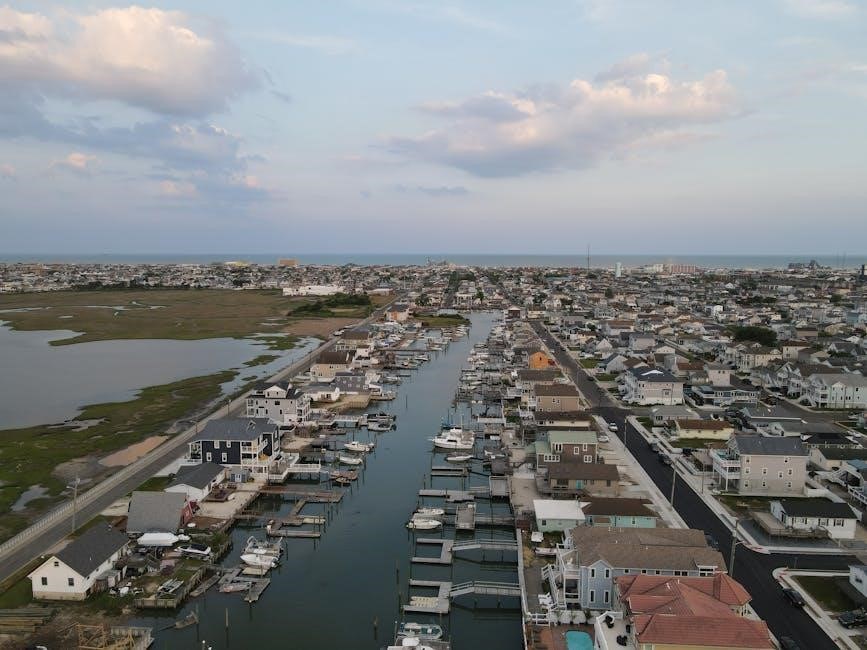
Beyond the typical television listings for Ocean City, MD, a fascinating world of data exists thanks to NASA’s Ocean Color Data Suite. This suite provides crucial, calibrated measurements of ocean optics, meticulously correcting for atmospheric interference. These aren’t just pretty pictures; they are the foundation for understanding our planet’s health.
The data suite delivers both raw measurements and derived biogeophysical products, offering a comprehensive view of the ocean’s composition. This allows scientists to monitor vital indicators, going far beyond what’s reported on a local TV news broadcast. It’s a powerful tool for researchers and anyone interested in the complex dynamics of our oceans, complementing the information available through traditional television sources.
Accessing this data opens a window into the unseen world beneath the waves, offering a different kind of “channel” to explore.
Ocean Color (OC) Data: Calibration & Correction
While checking your Ocean City TV guide for evening entertainment, consider the complex science behind remotely sensing our oceans. NASA’s Ocean Color (OC) data isn’t simply “captured”; it undergoes rigorous calibration and correction. Atmospheric effects significantly distort the signal received by satellites, impacting the accuracy of ocean measurements.
Therefore, sophisticated algorithms are employed to remove these distortions, accounting for factors like aerosols, water vapor, and the way sunlight interacts with the atmosphere. This process ensures the data accurately reflects the properties of the water itself, not just what’s happening above it. Accurate calibration is paramount for reliable analysis, much like ensuring a clear signal on your television.
Without these corrections, the data would be unusable for tracking phytoplankton or monitoring ocean health, rendering the entire system ineffective.

Biogeophysical Products Derived from Ocean Color
Just as your Ocean City TV guide provides information derived from broadcast signals, NASA’s Ocean Color data is processed to create valuable biogeophysical products. These aren’t raw measurements, but rather insights into the ocean’s biological and geological characteristics. Key products include chlorophyll concentration – an indicator of phytoplankton abundance – and sea surface temperature.
These derived datasets allow scientists to assess primary productivity, the foundation of the marine food web. They also help determine the type and amount of particulate matter in the water, influencing light penetration and overall ocean health. Think of it as translating a complex signal into understandable information, similar to how your TV decodes broadcasts.
These products are crucial for understanding ocean ecosystems and their response to climate change, offering a broader perspective beyond local channel listings.
NASA Ocean Color Level 3 & 4 Browser
Similar to how you use a TV guide to navigate channels and schedules, NASA provides the Ocean Color Level 3 & 4 Browser for accessing its ocean data. This interactive tool allows users to view, download, or order global composites of ocean data at various scales – spatial resolution and timeframes.
Level 3 data represents processed, composite views of ocean characteristics, while Level 4 data provides results from analyses of lower-level measurements. It’s akin to choosing between a program listing (Level 3) and a detailed show synopsis (Level 4).
The browser facilitates exploration of phytoplankton distribution, water clarity, and other vital ocean parameters. Just as a TV guide helps you find specific content, this browser empowers researchers and enthusiasts to pinpoint relevant oceanographic information, offering a dynamic and accessible data experience.
Applications of Ocean Color Data
Just as a comprehensive TV guide informs your viewing choices, NASA’s ocean color data provides crucial insights into the health and dynamics of our oceans. This data isn’t just for scientists; it has real-world applications impacting coastal communities like Ocean City, MD.
One key application is tracking phytoplankton and harmful algal blooms. These blooms can affect seafood safety and tourism, much like a program cancellation impacts your entertainment plans. Monitoring ocean health allows for proactive responses to protect both the environment and the local economy.
Furthermore, ocean color data aids in exploring the ocean carbon cycle, a critical component of climate regulation. Understanding these processes is vital for predicting future environmental changes, similar to anticipating future TV programming trends.
Tracking Phytoplankton & Harmful Algal Blooms
Similar to how a TV guide alerts you to must-see programs, NASA’s ocean color data provides early warnings about phytoplankton blooms and, crucially, harmful algal blooms (HABs). These blooms, while sometimes natural, can have significant impacts on coastal areas like Ocean City, MD.
HABs produce toxins that contaminate seafood, leading to shellfish closures and economic losses for local fisheries – a disruption akin to a favorite show being cancelled. Monitoring phytoplankton concentrations helps predict bloom formation and intensity, allowing authorities to issue timely advisories.
NASA’s data, accessed through tools like the Ocean Color Level 3 & 4 Browser, enables scientists to track bloom movement and assess their potential impact, ensuring public safety and protecting Ocean City’s valuable marine resources.
Monitoring Ocean Health
Just as a TV guide provides a snapshot of broadcast quality, NASA’s ocean color data offers a comprehensive assessment of ocean health. This isn’t simply about aesthetics; it’s about understanding the delicate balance of marine ecosystems vital to Ocean City, MD’s economy and environment.
Data on chlorophyll levels, sediment concentrations, and water clarity act as “vital signs” for the ocean, revealing stress factors like pollution, nutrient runoff, and changing temperatures. These indicators, similar to ratings informing viewing choices, help identify areas needing attention.
By consistently monitoring these parameters, scientists can track long-term trends, assess the effectiveness of conservation efforts, and proactively address threats to Ocean City’s coastal waters, ensuring a healthy ocean for generations to come.
Ocean Carbon Cycle Exploration
Similar to how a TV guide organizes programming, NASA’s data helps organize our understanding of the ocean’s role in the global carbon cycle. The ocean, covering over 70% of Earth, is a massive carbon reservoir, influencing climate and supporting life – including the vibrant ecosystem around Ocean City, MD.
NASA’s ocean color data reveals how phytoplankton, microscopic marine plants, absorb carbon dioxide during photosynthesis. Tracking these blooms, much like following a favorite show, provides insights into carbon uptake rates and the ocean’s capacity to mitigate climate change.
Understanding this cycle is crucial for predicting future climate scenarios and developing strategies to manage carbon emissions, ensuring the long-term health and sustainability of Ocean City’s coastal environment.

NASA Ocean Circulation Data
Just as a TV guide maps out broadcast signals, NASA’s ocean circulation data maps the movement of water across vast ocean basins. This data provides accurate measurements to track and understand large-scale currents, influencing weather patterns and marine ecosystems near Ocean City, MD.
These currents distribute heat around the globe, impacting regional climates and the availability of nutrients for marine life. Monitoring these flows, similar to channel surfing, reveals how water masses connect different parts of the ocean.
Understanding ocean circulation is vital for predicting coastal conditions, managing fisheries, and responding to environmental changes, ensuring the continued enjoyment of Ocean City’s beaches and marine resources.
Sea Surface Temperature Data

Similar to how a TV guide informs viewers about program schedules, NASA’s sea surface temperature (SST) data provides crucial insights into ocean conditions affecting Ocean City, MD. This data offers accurate measurements of ocean warmth, impacting local weather, marine life, and recreational activities.
Warmer waters can fuel stronger storms, while cooler temperatures influence fish distribution. Monitoring SST helps predict rip currents and ideal swimming conditions, much like checking a TV listing for a preferred show.
NASA’s SST data is essential for understanding climate change impacts and protecting Ocean City’s coastal environment, ensuring sustainable tourism and a healthy marine ecosystem for years to come.
Understanding Large-Scale Ocean Movement
Just as a TV guide maps out broadcast signals reaching your home, NASA’s ocean circulation data reveals the complex pathways of water influencing Ocean City, MD. These large-scale movements, like the Gulf Stream, dictate regional climate patterns and marine ecosystems.
Understanding these currents is vital for predicting weather systems, tracking potential pollution sources, and forecasting the arrival of marine species. This knowledge is as valuable to coastal communities as knowing when your favorite program airs.
NASA’s data helps scientists model ocean behavior, providing crucial information for coastal management, fisheries, and ensuring the long-term health and resilience of Ocean City’s marine environment.